English
- English
- Español
- Português
- русский
- Français
- 日本語
- Deutsch
- tiếng Việt
- Italiano
- Nederlands
- ภาษาไทย
- Polski
- 한국어
- Svenska
- magyar
- Malay
- বাংলা ভাষার
- Dansk
- Suomi
- हिन्दी
- Pilipino
- Türkçe
- Gaeilge
- العربية
- Indonesia
- Norsk
- تمل
- český
- ελληνικά
- український
- Javanese
- فارسی
- தமிழ்
- తెలుగు
- नेपाली
- Burmese
- български
- ລາວ
- Latine
- Қазақша
- Euskal
- Azərbaycan
- Slovenský jazyk
- Македонски
- Lietuvos
- Eesti Keel
- Română
- Slovenski
- मराठी
- Srpski језик

Why Is a Standard Flatbed Semi-trailer Essential for Modern Freight Transportation?
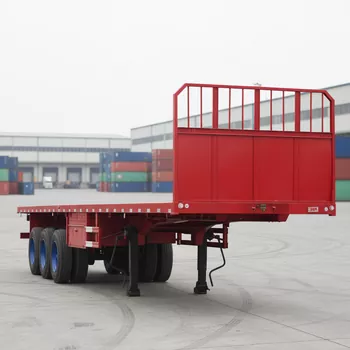
The Standard Flatbed Semi-trailer remains one of the most versatile and widely used transportation solutions in the logistics, construction, manufacturing, agriculture, and heavy equipment industries. Its open platform design enables efficient loading and unloading of oversized cargo, machinery, steel structures, timber, containers, and industrial equipment.
This comprehensive guide explores everything buyers and fleet operators need to know about Standard Flatbed Semi-trailers, including design features, advantages, applications, load capacities, maintenance strategies, purchasing considerations, safety requirements, and future trends. Whether you are expanding your fleet or investing in your first trailer, this article will help you make informed decisions while maximizing operational efficiency and profitability.
Table of Contents
- 1. What Is a Standard Flatbed Semi-trailer?
- 2. Why Are Flatbed Semi-trailers So Popular?
- 3. Main Components and Structural Design
- 4. Common Cargo Types Transported
- 5. Key Advantages of Standard Flatbed Semi-trailers
- 6. Standard Specifications and Dimensions
- 7. Flatbed Trailer vs Other Trailer Types
- 8. Industries That Depend on Flatbed Trailers
- 9. How to Choose the Right Flatbed Trailer
- 10. Maintenance and Inspection Guidelines
- 11. Safety Best Practices for Operators
- 12. Cost Factors and Return on Investment
- 13. Emerging Trends in Flatbed Transportation
- 14. Frequently Asked Questions
- 15. Conclusion
1. What Is a Standard Flatbed Semi-trailer?
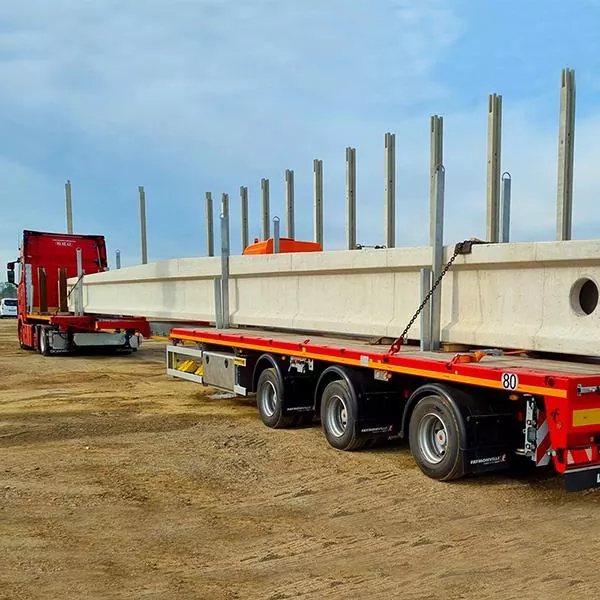
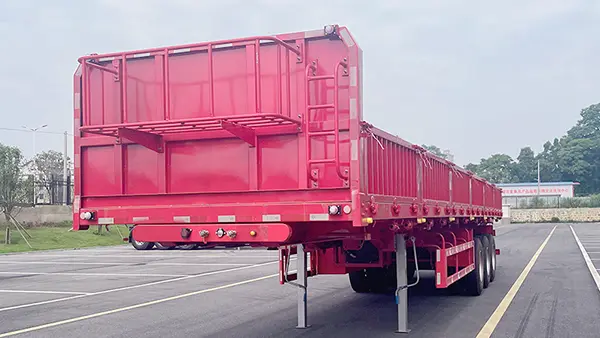
A Standard Flatbed Semi-trailer is a non-powered transportation platform designed to be pulled by a tractor unit. Unlike enclosed trailers, flatbed trailers feature an open deck without fixed walls or roofs, allowing cargo to be loaded from the sides, rear, or top.
Their simple yet robust structure makes them ideal for transporting large, heavy, or irregularly shaped cargo that cannot fit inside traditional enclosed trailers.
These trailers are commonly used to move:
- Steel coils
- Construction materials
- Industrial machinery
- Prefabricated structures
- Wood products
- Agricultural equipment
- Shipping containers
- Heavy equipment
2. Why Are Flatbed Semi-trailers So Popular?
The global logistics industry values flexibility and efficiency. Standard Flatbed Semi-trailers provide both by accommodating diverse cargo types while minimizing loading constraints.
Unlike enclosed trailers, operators can use cranes, forklifts, side loaders, or overhead lifting equipment for rapid cargo handling.
Key reasons for their popularity include:
- Versatile cargo compatibility
- Fast loading and unloading
- Reduced handling time
- Ability to carry oversized freight
- Lower structural complexity
- Long service life
- Excellent payload efficiency
3. Main Components and Structural Design
Understanding trailer construction helps buyers evaluate durability and performance.
| Component | Function |
|---|---|
| Main Beam | Provides primary structural support and load-bearing capacity |
| Cross Members | Distribute weight across the trailer deck |
| Deck Platform | Supports cargo during transportation |
| Axles | Carry vehicle weight and improve stability |
| Suspension System | Absorbs road shock and vibration |
| Landing Gear | Supports trailer when detached |
| Brake System | Ensures safe stopping performance |
| Tires | Provide road contact and load support |
| Twist Locks | Secure shipping containers when required |
| Stake Pockets | Allow cargo securing accessories to be attached |
4. Common Cargo Types Transported
One major advantage of Standard Flatbed Semi-trailers is their ability to handle a wide variety of freight.
| Cargo Category | Examples |
|---|---|
| Construction Materials | Steel beams, pipes, cement products |
| Heavy Equipment | Excavators, loaders, bulldozers |
| Agricultural Machinery | Tractors, harvesters |
| Industrial Equipment | Generators, compressors, pumps |
| Timber Products | Lumber, plywood, logs |
| Containers | 20ft and 40ft shipping containers |
| Prefabricated Structures | Steel buildings, modular houses |
5. Key Advantages of Standard Flatbed Semi-trailers
1. Exceptional Loading Flexibility
Open-sided access allows loading from multiple directions.
2. High Payload Capacity
Engineered to transport substantial loads while maintaining stability.
3. Reduced Loading Time
Heavy lifting equipment can access cargo directly.
4. Versatile Industry Applications
Suitable for nearly every industrial sector.
5. Cost Efficiency
Lower maintenance complexity compared with specialized trailers.
6. Long-Term Durability
High-strength steel construction provides extended operational life.
6. Standard Specifications and Dimensions
Specifications vary by region and customer requirements.
| Specification | Typical Range |
|---|---|
| Length | 12m – 13.75m |
| Width | 2.5m – 2.55m |
| Height | 1.4m – 1.6m |
| Axles | 2-4 Axles |
| Payload Capacity | 30-80 Tons |
| Tire Quantity | 8-16 Tires |
| Deck Material | Steel or reinforced plate |
7. Flatbed Trailer vs Other Trailer Types
| Trailer Type | Best Use | Main Advantage |
|---|---|---|
| Standard Flatbed | General cargo | Maximum loading flexibility |
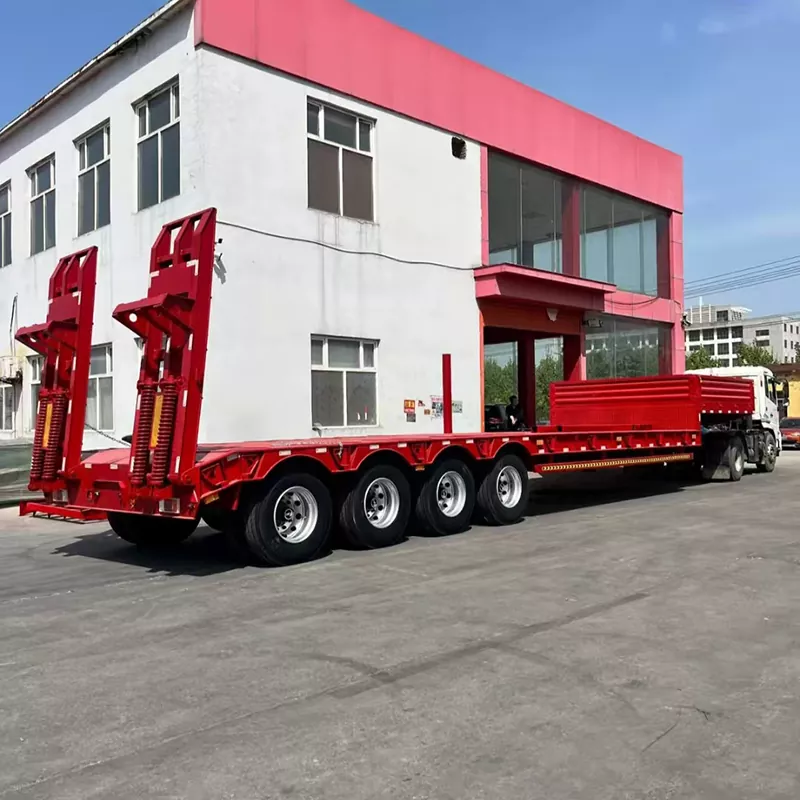
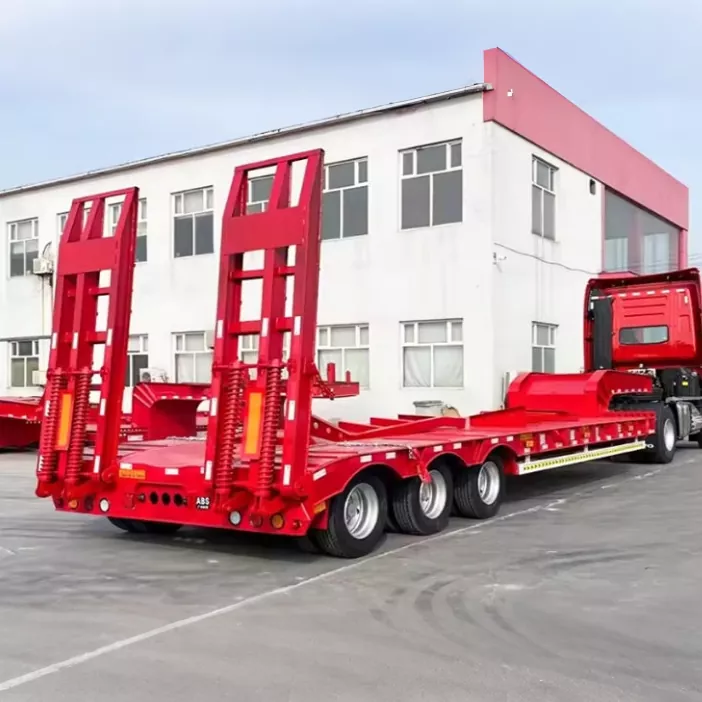
| Lowbed Trailer | Heavy machinery | Lower center of gravity |
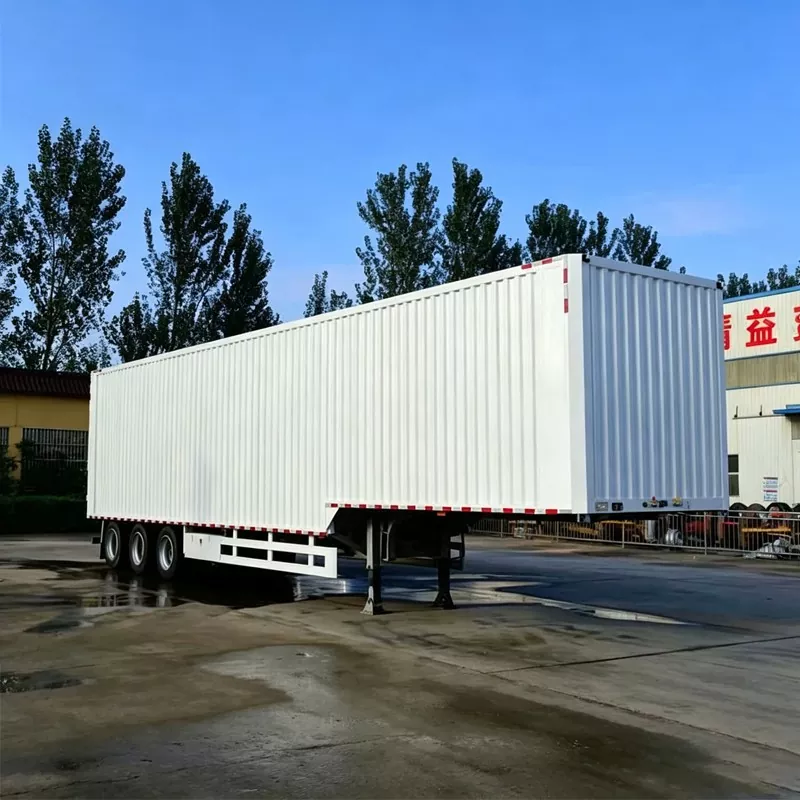
| Box Trailer | Consumer goods | Weather protection |
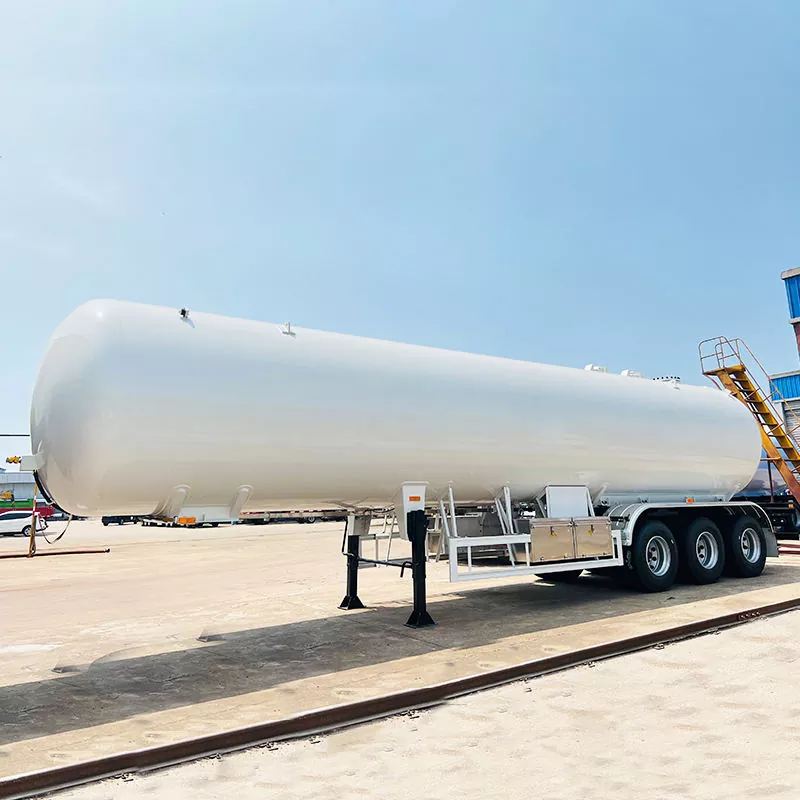
| Tanker Trailer | Liquids | Specialized containment |
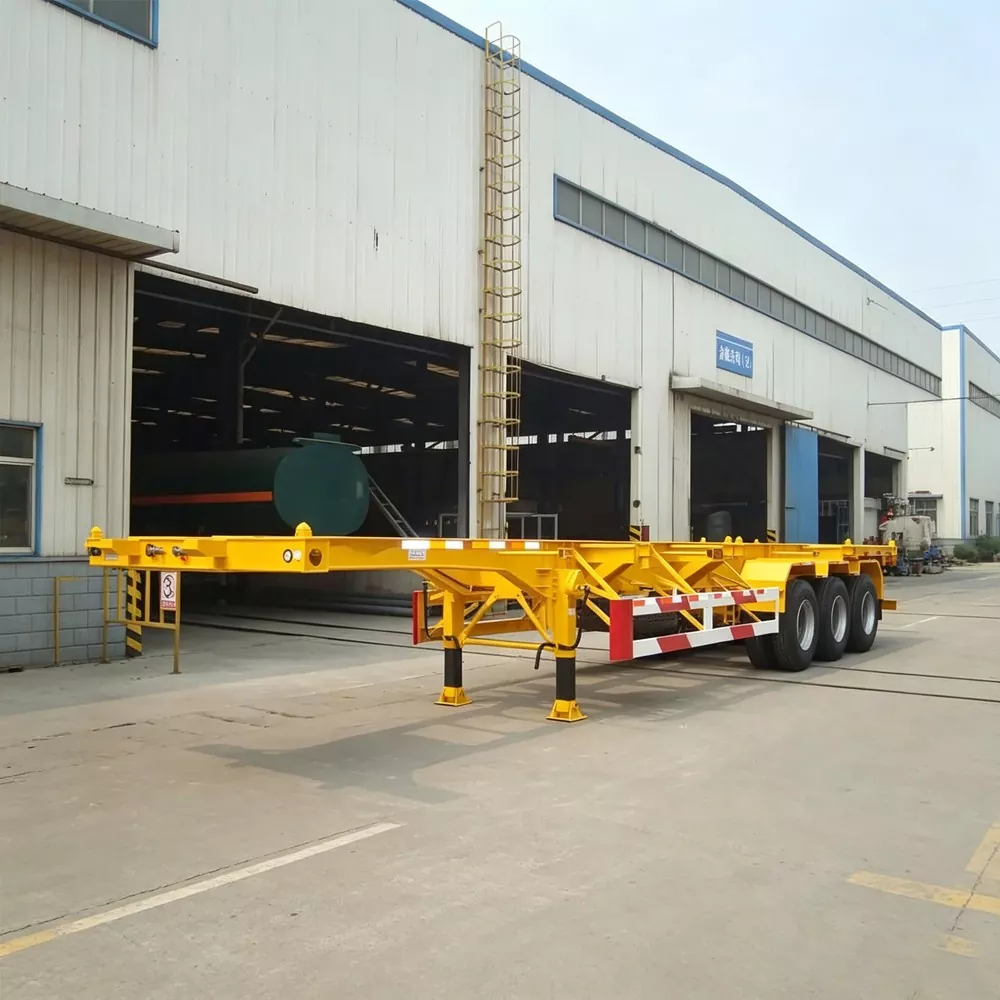
| Container Chassis | Container transport | Dedicated container handling |
8. Industries That Depend on Flatbed Trailers
Several industries rely heavily on flatbed transportation solutions:
- Construction
- Infrastructure development
- Mining operations
- Agriculture
- Energy projects
- Manufacturing
- Steel production
- Port logistics
- Oil and gas
- Renewable energy installations
Without flatbed trailers, transporting oversized industrial assets would become significantly more difficult and expensive.
9. How to Choose the Right Flatbed Trailer
Selecting the right trailer requires evaluating operational needs carefully.
Consider Payload Requirements
Determine maximum cargo weight and future growth requirements.
Evaluate Cargo Dimensions
Length, width, and height determine trailer suitability.
Review Road Conditions
Suspension and axle selection should match operating environments.
Check Material Quality
High-strength steel increases structural integrity and lifespan.
Analyze Maintenance Support
Availability of replacement parts reduces downtime.
Consider Regulatory Compliance
Ensure specifications meet local transportation regulations.
10. Maintenance and Inspection Guidelines
Proper maintenance significantly extends trailer life.
| Inspection Area | Recommended Frequency |
|---|---|
| Tires | Daily |
| Brake System | Weekly |
| Suspension | Monthly |
| Welding Joints | Monthly |
| Axles | Quarterly |
| Lighting System | Weekly |
| Main Beam | Quarterly |
Preventive maintenance helps avoid costly repairs and improves operational safety.
11. Safety Best Practices for Operators
- Inspect cargo securement before departure
- Use certified chains and straps
- Distribute weight evenly
- Avoid overloading
- Perform brake checks regularly
- Inspect tires before each trip
- Follow local transportation regulations
- Train drivers on cargo restraint procedures
Safety is not only a compliance issue but also a major factor affecting profitability and operational continuity.
12. Cost Factors and Return on Investment
Several variables influence total ownership cost:
- Trailer specifications
- Steel prices
- Axle configuration
- Suspension type
- Customization requirements
- Maintenance expenses
- Operational utilization rate
A high-quality trailer often delivers lower lifetime ownership costs despite a higher initial investment.
Fleet operators typically achieve strong returns through:
- Reduced downtime
- Higher payload efficiency
- Lower maintenance costs
- Longer service life
- Improved asset utilization
13. Emerging Trends in Flatbed Transportation
The transportation industry continues evolving with technological advancements.
Current trends include:
- High-strength lightweight steel structures
- Improved corrosion resistance
- Smart fleet management integration
- Real-time trailer monitoring
- Enhanced braking systems
- Fuel-efficiency optimization
- Predictive maintenance technologies
- Digital logistics platforms
These innovations are helping fleet owners maximize productivity while improving safety and operational control.
14. Frequently Asked Questions
Q1: What is the maximum load capacity of a standard flatbed semi-trailer?
A: Depending on axle configuration and regional regulations, payload capacities generally range from 30 to 80 tons.
Q2: Can a flatbed trailer transport shipping containers?
A: Yes. Many flatbed trailers are equipped with twist locks specifically designed for container transportation.
Q3: What industries use flatbed semi-trailers most frequently?
A: Construction, manufacturing, mining, agriculture, logistics, steel production, and energy sectors are major users.
Q4: How long can a flatbed trailer last?
A: With proper maintenance, high-quality trailers often remain operational for more than 10–15 years.
Q5: What is the biggest advantage of a standard flatbed trailer?
A: Its unmatched versatility allows transportation of cargo that may be difficult or impossible to load into enclosed trailers.
Q6: How often should maintenance inspections be performed?
A: Basic inspections should occur daily, while comprehensive structural inspections should be conducted periodically according to operating conditions.
Q7: Are custom flatbed trailer configurations available?
A: Yes. Manufacturers can customize dimensions, axle arrangements, suspension systems, and load capacities based on customer requirements.
15. Conclusion
The Standard Flatbed Semi-trailer remains one of the most practical and indispensable transportation solutions in modern logistics. Its open-deck design, impressive payload capability, durability, and flexibility make it an ideal choice for businesses involved in construction, manufacturing, agriculture, mining, and infrastructure development.
By understanding structural features, selecting appropriate specifications, implementing proper maintenance practices, and following safe operating procedures, businesses can maximize operational efficiency while minimizing long-term ownership costs.
For organizations seeking reliable, durable, and high-performance transportation equipment, investing in a well-engineered Standard Flatbed Semi-trailer is a strategic decision that can deliver significant value over many years of operation.
Shijiazhuang Jinfeng Special Vehicle Co., Ltd. specializes in manufacturing high-quality semi-trailers designed for durability, efficiency, and demanding transportation applications.
Whether you require standard flatbed trailers, customized transport solutions, or fleet expansion support, our experienced team is ready to assist you with professional recommendations and dependable products. Contact Us Today to Discuss Your Transportation Requirements and Discover the Right Trailer Solution for Your Business.
Related News
- How Can a Front-lifting Dump Semi-trailer Improve Heavy-duty Transport Efficiency?
- Rear-tipping Dump Semi-trailer: How Can It Improve Heavy-Duty Hauling Efficiency?
- How Does a Container Skeleton Semi-trailer Improve Modern Container Transportation Efficiency?
- Why Is a Low-bed Semi-trailer Essential for Heavy Transportation?
- How Do Standard Beam Transport Semi-Trailers Cut Oversized Cargo Transport Risks & Fleet Operating Costs?
- How Does a Gooseneck Flatbed Semi-Trailer Improve Heavy Cargo Transportation?
Leave me a message